Pigmentation is considered one of the most widespread skincare issues, both in men and women. Pigmentation may be due to sunspots caused by constant exposure to the sun, melasma, or the appearance of scars left behind by acne breakouts, making the skin tone look dull and uneven. However, dermatology today has advanced far beyond creams and home remedies.
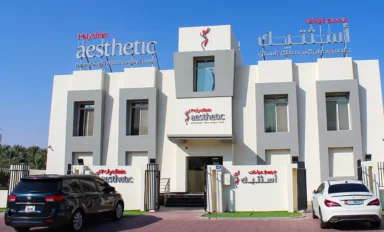
Since 2000, Aesthetic Polyclinic has been treating pigmentation and skin concerns with individualized procedures, highly qualified specialists, innovative technologies, and modern equipment. In this guide, we explain what pigmentation is and the most effective treatments available, including UltraClear Resurfacing Laser, Erbium YAG & Erbium Glass (Harmony XL Pro), and Curas Picosecond Q-Switched Laser.
What Causes Pigmentation?
You get pigmentation because your skin is creating too much melanin, which is the natural pigment that makes skin color. Lack of balanced melanin production causes dark spots, patches or discoloration.
The most common triggers include:
- Sun exposure: UV rays are the most significant causative agent of pigmentation.
- Hormonal changes: Melasma is often caused by pregnancy and contraceptives.
- Post-inflammatory hyperpigmentation: Dark spots that still remain after acne or trauma.
- Age: Brown age spots do increase as a person gets older.
Topical creams alone do not often provide long-term effects because pigmentation formation normally occurs in the deeper layers of skin. This is the reason why the professional treatments in Aesthetic Polyclinic are focused on the cause of pigmentation to achieve long term visible effects.
What Actually Works for Pigmentation?
Modern dermatology offers highly effective treatments tailored to your skin type and condition. These procedures may work individually or be combined for enhanced results.
1. UltraClear Resurfacing Laser
UltraClear is one of the most advanced and reliable solutions for pigmentation. It gently removes damaged skin cells from the surface while stimulating collagen production underneath for lasting rejuvenation.
- Procedure: The skin is cleansed, numbed if required, and treated with precise UltraClear laser energy.
- Results: Brighter, smoother, and more even-toned skin with reduced pigmentation.
- Downtime: Minimal, depending on treatment intensity.
Another pigmentation treatment that is believed to form the basis of it is UltraClear, because it not only takes care of discoloration, but also general skin texture.
2. Erbium YAG & Erbium Glass (Harmony XL Pro)
To treat deeper or more persistent pigmentation, our experts suggest Erbium YAG and Erbium Glass lasers, which are both treated on the platform of Harmony XL Pro. These technologies target excess melanin safely and effectively without causing harm to areas of normal skin (unlike traditional CO2 lasers that may be too aggressive to target pigmentation).
- Procedure: Focused Erbium laser beams penetrate deeper skin layers, breaking down pigment and stimulating regeneration.
- Results: Noticeable fading of pigmentation, along with firmer, more refined skin.
- Downtime: Mild redness or peeling for a few days, with long-lasting results.
Erbium lasers are gentler, safer, and better suited for pigmentation treatment than CO2, making them the modern gold standard for deeper discoloration.
3. Curas Picosecond Q-Switched Laser
Replacing the older Carbon Peel, the Curas Picosecond Q-Switched Laser offers advanced precision for treating pigmentation with no downtime. It delivers ultra-short pulses that shatter excess melanin into tiny particles, which the body naturally eliminates.
- Procedure: Ultra-fast pulses target pigmented cells without harming surrounding skin.
- Results: Visible lightening of pigmentation, smoother texture, and an overall radiant glow after just a few sessions.
- Downtime: Minimal, with only slight redness that quickly subsides.
Because of its accuracy and ability to treat stubborn pigmentation across all skin types, the Curas Picosecond Q-Switched Laser is one of the most in-demand pigmentation solutions today.
Can These Treatments Be Combined?
Yes. These procedures are often complementary rather than alternatives. For example:
- UltraClear Resurfacing Laser rejuvenates the surface and improves texture.
- Erbium YAG & Erbium Glass (Harmony XL Pro) target deeper pigmentation and improve firmness.
- Curas Picosecond Q-Switched Laser enhances clarity and maintains results with minimal downtime.
Our dermatology specialists at Aesthetic Polyclinic design personalized treatment plans, often combining these methods for the best results.
How Soon Will You See Results?
- UltraClear Resurfacing Laser: The first treatment responds immediately; additional sessions may require 3 or 4.
- Erbium YAG & Erbium Glass (Harmony XL Pro): Clinical changes of skin clarity and pigmentation are observed after 710 days.
- Curas Picosecond Q-Switched Laser: Patients frequently report improved skin color and pigmentation reduction after 1 and possible additional treatments with ongoing improvement.
Different results are possible based on the type of your skin, where pigmentation was triggered, and what your aftercare (particularly sun protection) is.
Who is a Good Candidate for Pigmentation Treatment?
Professional pigmentation treatments are suitable for patients with:
- Sunspots or age spots
- Acne-related pigmentation
- Melasma
- Uneven skin tone
A consultation with our dermatology team ensures a safe, customized, and effective treatment plan.
FAQs
1- Are these treatments safe for all skin types?
Yes. Treatments at Aesthetic Polyclinic are based on each skin tint and condition to achieve safety and efficacy.
2- How many sessions will I need?
Optimal results of pigmentation require a range of 3-5 treatments depending on the severity.
3- Are these treatments painful?
Discomfort is minimal. To ensure that the session is as comfortable as possible, numbing creams are used.
4- Can I return to work after treatment?
Yes. With Curas Picosecond Q-Switched Laser, particularly, there is minimal downtime and you can be up and running again on a daily basis.
5- Can pigmentation return after treatment?
Yes, if proper care isn’t taken. To achieve long-term results, aftercare and compliance with sun protection is required.
Conclusion
Pigmentation may be an irritating phenomenon, but contemporary dermatology is able to find good remedies. It can be the refreshing UltraClear Resurfacing Laser, the more intense Erbium YAG and Erbium Glass (Harmony XL Pro), or the accuracy of the Curas Picosecond Q-Switched Laser, but today technologies can treat pigmentation at all levels.
Since 2000, Aesthetic Polyclinic has been trusted for its expert specialists, advanced procedures, and state-of-the-art equipment. Ready to restore your clear, radiant skin? Our dermatologists are here to guide you with the most effective pigmentation treatments tailored just for you.
Aesthetic Polyclinic has been relied upon as a source of expert specialists, sophisticated procedures and high-tech equipment since 2000. Ready to get a clear and radiant skin again? Our dermatologists will be available to show you the best pigmentation treatments designed specifically to suit you.