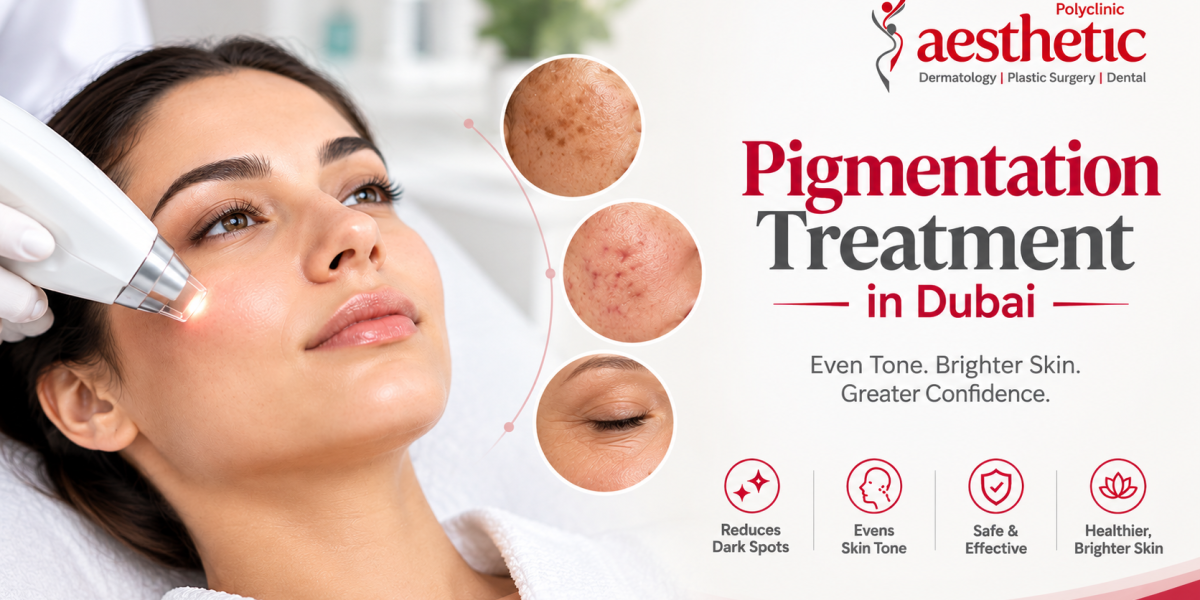
Acne may clear, but the marks it leaves can stay behind. Some appear as dark patches, while others change the skin’s texture. TheAmerican Academy of Dermatology explains that post-inflammatory hyperpigmentation can follow acne, while true scars involve changes beneath the skin’s surface.
At Aesthetic Polyclinic, we recognize that scars, pigmentation, and fine lines can appear at the same time. Their causes, however, can be quite different. Skin rejuvenation for acne scars may be part of a tailored plan, depending on skin tone, scar type, and overall skin condition.
How Skin Rejuvenation for Acne Scars Can Address Multiple Concerns
Skin rejuvenation for acne scars does not refer to one particular procedure. It covers treatments that aim to improve skin texture, tone, and visible signs of aging. Acne scars form when inflammation damages deeper skin tissue. During healing, collagen may develop unevenly. This can leave depressions or raised areas.
Pigmentation works differently. It changes the color of the skin without altering its structure. Fine lines have another cause. Aging, sun exposure, and reduced collagen can gradually affect skin smoothness.
That difference is important when choosing treatment. A procedure that works well for texture may not be the right choice for pigmentation.
What Can Skin Rejuvenation Potentially Improve?
| Concern | Main issue | Treatment objective |
| Depressed acne scars | Uneven structure | Encourage collagen remodeling |
| Post-acne pigmentation | Uneven color | Improve visible discoloration |
| Fine lines | Reduced smoothness | Refine skin texture |
| Photodamage | Environmental damage | Support a more even complexion |
Flat post-acne marks are generally different from structural scars. They may also fade gradually as the skin recovers.
Can Skin Rejuvenation Improve Acne Scar Texture?
Skin rejuvenation for acne scars may improve the appearance of some depressed scars. Laser resurfacing is one option used for suitable scar types.
The treatment delivers controlled energy to selected areas of the skin. Depending on the laser, it may remove damaged tissue or create tiny treatment zones. These zones can trigger the body’s repair response.
The ASDS recognizes laser resurfacing as a treatment option for acne scars.
Still, scar type cannot be overlooked. Rolling scars differ from boxcar scars. Ice-pick scars are different again. Raised scars also need another treatment strategy.
For that reason, the same laser approach may not suit every scar. The treatment needs to match the structure being addressed.
Can Pigmentation Improve With Skin Rejuvenation?
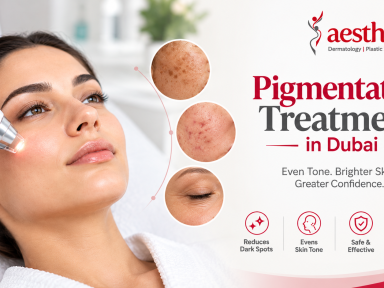
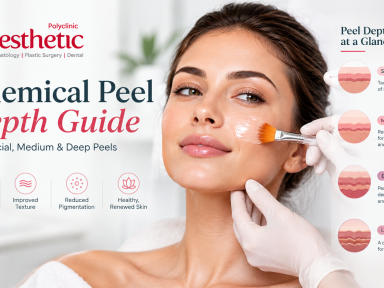
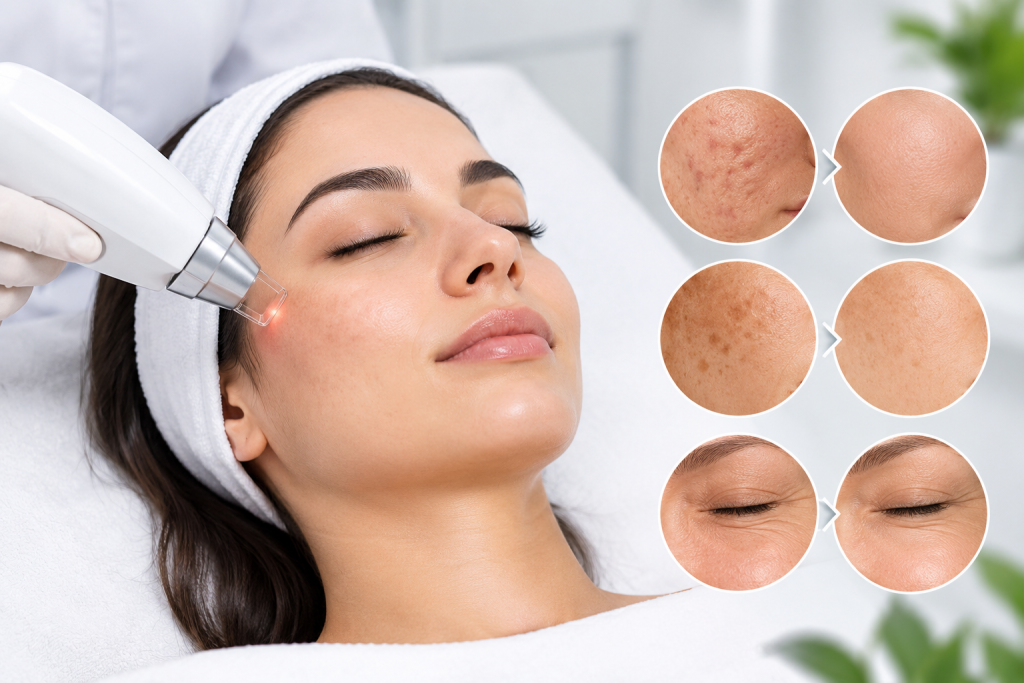
Pigmentation left after acne can be stubborn. It may also become more noticeable when the skin reacts strongly to inflammation. pigmentation treatment in dubai can include topical products, chemical peels, light-based procedures, or laser treatment. The suitable option depends on the cause, depth, skin tone, and pigmentation history.
Skin tone deserves particular attention. The AAD notes that darker skin has a greater risk of burns and dark marks following some laser procedures. This does not rule out laser treatment. It highlights the need for careful technology selection and appropriate settings.
Sun exposure matters too. Ultraviolet radiation can worsen pigmentation and make uneven color more noticeable. Broad-spectrum sunscreen and sensible sun protection can help protect the skin.
Can Skin Rejuvenation Reduce Fine Lines?
Skin rejuvenation for acne scars may also improve fine lines when texture is part of the concern. Some resurfacing procedures stimulate collagen beneath the skin.
Laser resurfacing has also been used for wrinkles and sun-related skin changes. The ASDS explains that resurfacing can treat targeted skin layers and support new collagen formation. As collagen remodels, some fine lines may look softer. Results vary, though, and treatment cannot stop natural aging.
A good result should still look like you. Improving skin quality does not need to change the character of the face.
Where Laser Skin Rejuvenation Fits Into Treatment
Laser skin rejuvenation covers several types of laser treatment. Each technology reaches the skin at a different depth. Fractional lasers treat small columns of tissue while leaving nearby skin untouched. This allows the surrounding areas to support the healing process.
Non-ablative fractional treatments can stimulate collagen remodeling with less recovery than more intensive resurfacing. The amount of downtime still varies between treatments.
Several factors can influence the choice:
- Scar depth and pattern
- Skin tone and pigmentation history
- Fine-line severity
- Active acne or inflammation
- Previous procedures and skincare
- Expected recovery time
The treatment should therefore start with an assessment. Choosing a device simply because it is advanced may not make it the best option.
When Laser May Not Be Enough
Some acne scars do not respond sufficiently to resurfacing alone. A scar may be attached to deeper tissue. Another may be narrow and extend further into the skin.
In such cases, skin rejuvenation for acne scars may involve more than one treatment. Options can include microneedling, chemical peels, fillers, radiofrequency procedures, or scar-specific techniques.
The AAD explains that different acne scars may require different treatments. Combining approaches can also be considered when appropriate.
Each procedure should have a clear purpose. One technique may address the scar structure, while another improves the surrounding texture. Pigmentation may need separate care. The aim is a balanced result rather than treating every concern as though it were the same.
How Personalization Influences Treatment
Personalization matters because scars can behave differently across different skin types. Two people may have similar-looking marks but need different treatment plans.
A dermatologist may assess the scar pattern, skin tone, sensitivity, and tendency towards pigmentation. Active acne, previous procedures, and current skincare also matter.
Recent tanning can affect treatment timing. Irritated skin may need time to recover before resurfacing is considered. Active acne should also be controlled where possible. New inflammation can lead to further marks and scars. A tailored plan should account for the condition of the skin today, not simply the result someone wants to achieve.
What Should You Expect During Recovery?
Skin rejuvenation for acne scars does not have a standard recovery period. The experience depends on the laser, treatment depth, and individual response.
Some fractional non-ablative procedures involve limited downtime. More intensive ablative treatments require a longer healing period. Redness, swelling, sensitivity, peeling, and temporary pigment changes can occur. According to the ASDS, recovery depends partly on the type and depth of resurfacing.
Aftercare should not be overlooked. Gentle skincare and sun protection can support the skin while it heals. Collagen remodeling also takes time. A change may become noticeable gradually rather than immediately.
When Should You Consider Treatment?
Treatment may be considered once active acne has settled and scars or pigmentation remain. Skin readiness should guide the timing.
Recent tanning, irritation, or ongoing inflammation may need attention first. A consultation can determine whether resurfacing is appropriate. It may also show that another approach would be more suitable. Not every concern requires laser treatment.
For a wider look at available options, skin rejuvenation in Dubai provides useful information about different approaches to improving skin quality.
How to Maintain Skin Quality After Treatment
Treatment does not replace daily skincare. A consistent routine can help maintain the skin barrier and protect the complexion during recovery.
Aftercare may include gentle cleansing, moisturizing, and regular sun protection. Some active products may need to be stopped for a short period. The AAD recommends discussing skincare products, medicines, and supplements before laser treatment. Some may increase skin sensitivity.
For additional information, the skin rejuvenation service page provides broader context on professional skin renewal treatments.
Is Skin Rejuvenation Suitable for Every Acne Scar?
Skin rejuvenation for acne scars may help certain scar types, but it is not suitable for every situation.
Laser treatment can make scars less noticeable, but it cannot erase them. The AAD also explains that laser procedures improve the appearance of scars rather than removing them.
That distinction is worth understanding before treatment. The goal is usually better texture and a more even appearance.
A professional assessment can identify the scar type and determine whether laser resurfacing is appropriate. For more detail on fractional technology, fractional laser resurfacing in Dubai offers further background.
Explore Tailored Treatment for Scars, Pigmentation, and Fine Lines
Skin rejuvenation may improve uneven texture and create a smoother-looking surface. It may also help certain pigmentation and fine-line concerns when the treatment is selected carefully. These concerns still need to be assessed separately. Their causes are not identical, so one procedure may not address everything equally well.
At Aesthetic Polyclinic, we use a personalized approach that considers skin tone, scar pattern, pigmentation, sensitivity, and treatment history. We focus on natural-looking improvement and sound clinical judgment.
If acne scars, pigmentation, or fine lines continue to concern you, a dermatology consultation can help identify suitable options. It can also clarify what results and recovery you may realistically expect.
Frequently Asked Questions
1. Can acne scars and pigmentation be treated together?
Yes, but they may need different approaches. Skin rejuvenation for acne scars can target texture, while pigmentation treatment addresses uneven color.
2. Is laser suitable for every skin tone?
No. Skin tone and pigmentation history need assessment first. With suitable technology and settings, laser skin rejuvenation may be considered.
3. Can fine lines improve during scar treatment?
They may. Collagen-focused resurfacing can improve texture and soften some lines. A dedicated fine lines treatment may be considered for specific concerns.
4. How should treatments be compared?
Consider the treatment method, recovery period, risks, and suitability for your skin. A professional assessment can make the choice clearer.
5. Can fractional resurfacing help deeper scars?
It can help some depressed scars. Deeper or tethered scars may need additional techniques, making a professional assessment important.