In today’s aesthetic medicine, refinement increasingly lies in subtle biological influence rather than overt intervention. The role of peptides in skincare reflects this shift-towards intelligent, cellular-level communication designed to support the skin’s natural architecture. At Aesthetic Polyclinic, peptides are not just fashionable items but are part of a chain reaction starting with skin rejuvenation based on solid data.
The Evolution of Aesthetic Treatments: From Correction to Cellular Intelligence
In the past, aesthetic treatments mainly concentrated on visible signs of aging, such as treating wrinkles, loose skin, or spots after they appeared. The focus has significantly shifted to preventive measures, emphasizing structural support for the skin and promoting its long-term health.
Peptides exemplify this evolutionary shift. Rather than simply masking issues, they work at the cellular level to support the skin’s natural processes, including collagen synthesis, repair, and regeneration. This development mirrors a wider trend favoring natural restoration and balance, characterized by outcomes that are subtle, progressive, and tailored to the unique biology of each individual’s skin.
Clinical studies support this progression. Research published in the International Journal of Cosmetic Science suggests that signal peptides, like Palmitoyl Pentapeptide-4, may improve skin texture and reduce visible signs of aging by boosting collagen activity.
Understanding Peptide Function: Precision at the Cellular Level
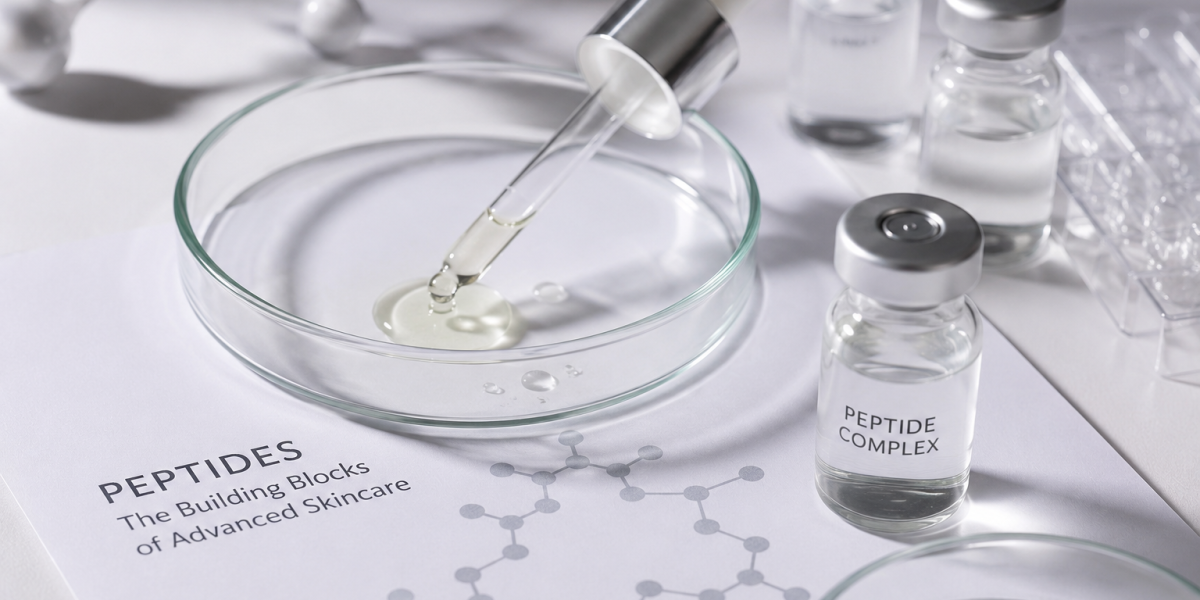
Peptides are short chains of amino acids that function as biological messengers. They send signals to the skin to do certain things like healing, moisturizing or making it stronger.
In aesthetic applications, commonly recognised peptide compounds include:
- Matrixyl (Palmitoyl Pentapeptide-4) – associated with dermal renewal
- Argireline (Acetyl Hexapeptide-8) – designed to soften expression lines
- Copper Peptides (GHK-Cu) – support healing and tissue repair
- Snap-8 (Acetyl Octapeptide-3) – targets dynamic wrinkles
- Hydrolysed Collagen Peptides – contribute to hydration and resilience
Usually, these ingredients are part of high-end treatments that not only give a fresh look to the skin but also keep the face natural and its features intact.
Advanced Delivery Systems and Clinical Integration
The efficacy of peptides is closely linked to how they are delivered. Modern aesthetic care integrates peptides into technology-driven treatments that enhance absorption and precision.
These may include:
- Microneedling-assisted peptide infusion
- Laser-supported transdermal delivery
- Post-procedure peptide applications designed to support recovery
Such methods enable peptides to penetrate into the deeper layers of the skin where they can help with structural support and long-term regeneration. Aesthetic Polyclinic accurately utilizes these methods to guarantee that each session is not only effective but also tailored to the individual’s skin type and beauty desires.
Collagen Decline and the Role of Targeted Peptide Therapy
Collagen remains central to youthful skin architecture. Research show that collagen synthesis reduces by nearly 1% per year on average after early adulthood, which leads to the unfolding of firmness and elasticity of the skin.
In this way, collagen boosting peptides become a very important element. These peptides are designed to stimulate fibroblast activity, which helps the skin naturally rebuild and maintain its structure.
Other possibilities include:
- Enhanced skin firmness and elasticity
- Improved hydration and barrier function
- Reduction in the appearance of fine lines
- Support for long-term skin resilience
Research published in Dermatologic Therapy highlights that copper peptides may assist in wound healing and collagen production, reinforcing their relevance in both restorative and preventive care.
Personalisation: The Foundation of Modern Aesthetic Care
No two skin profiles are identical. Factors such as genetics, lifestyle, environmental exposure, and intrinsic aging all influence how the skin responds to treatment.
Therefore, the best results of peptide therapies can be achieved only if a personalized assessment and a treatment plan are created for each patient. This may include:
- Selecting specific peptide combinations based on skin needs
- Integrating peptides with complementary actives
- Adjusting delivery methods to optimise outcomes
At a skin clinic Dubai, skin rejuvenation treatment setting, such a personalised approach helps treatments to always follow the principles of precision, balance, and natural-looking rejuvenation.
Who Peptide-Based Treatments Are Designed For
Peptide therapies are particularly suited to individuals who value discretion, subtlety, and long-term skin health.
They may be appropriate for:
- Professionals seeking refined, non-invasive rejuvenation
- Individuals noticing early signs of collagen decline
- Patients prioritising preventative aesthetic strategies
- Those looking to maintain facial balance without overt alteration
The versatility of peptides allows them to be integrated across age groups and skin types, supporting both corrective and preventative care pathways.
The Luxury of Clinical Experience and Privacy
In luxury aesthetic clinics, the experience doesn’t end with just the cosmetic procedure. It encompasses privacy, attention to detail, and clinical excellence.
Peptide therapies are often given in calm, private settings. These environments allow for thorough consultations, which focus on understanding the individual patient. This way, the entire chain including disease detection and devising the strategy will uphold the promise of personalized care and high-level results.
The Expanding Role of Peptides in Skincare Innovation
Peptides have a dynamic and growing role in skincare, especially as biotechnological advances are made. New aspects in the pipeline include:
- Bioengineered peptides with targeted functions
- Enhanced delivery systems for improved penetration
- Combination therapies designed for synergistic effects
Market research from Grand View Research indicates that the global anti-ageing market is projected to reach USD 119.6 billion by 2030, highlighting the growing demand for sophisticated, science-led solutions.
Within this landscape, peptides are positioned as a cornerstone of evidence-based, future-focused aesthetic care.
The Future of Refined Skin Rejuvenation
Peptide science is the epitome of a sophisticated and targeted skin rejuvenation. At the same time, it is a respectful approach to nature that tries to help your skin to heal by itself. Peptides allow you to accomplish the best version of yourself while preserving the authenticity and harmony of the results.
At Aesthetic Polyclinic lab-tested treatments can lead the way to targeted peptide therapies in the safety of discretion and professional counselling. As Jab and mask are only the beginning, along with the ability of peptides to stimulate collagen synthesis, their potential that is yet to be discovered is within socking the whole role of peptides in the human comfort of skin rejuvenation.
FAQs
Ques1. What makes peptides different from traditional anti-ageing ingredients?
Ans: Peptides function as cellular messengers, targeting specific biological processes. This allows for a more precise and tailored approach compared to generalised active ingredients.
Ques2. Are collagen boosting peptides suitable for preventative care?
Ans: Collagen boosting peptides are definitely suitable for preventative care. They not only revitalize the skin but also encourage the production of new collagen that aids in keeping the skin texture firm and youthful.
Ques3. How are peptide treatments personalised?
Ans: Personalisation entails a thorough examination of the skin condition, identifying health risk factors, and beauty target(s). Subsequently, this leads to finalising the appropriate peptide products and ways of delivering them.
Ques4. Can peptides be combined with other aesthetic treatments?
Ans: They are often used along with treatment types like microneedling or laser therapy to both improve results and help healing.
Ques5. Is consultation necessary before starting peptide-based treatments?
Ans: It is considered a very good idea to have a consultation. It will help to make sure that the treatments are exactly tailored to individual needs and are a good fit with personal expectations.