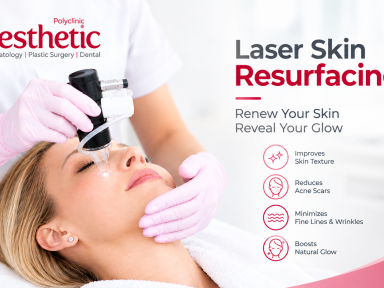
A friend’s skin looks noticeably clearer after a laser treatment, and the photos online seem to confirm it. You research the clinic, compare the downtime, and decide this is your answer. Then an assessment shows that your concern is not quite the one you thought you had.
The treatment was legitimate. It simply belonged to someone else’s skin. Many skin rejuvenation mistakes begin exactly here, long before any device is switched on: in how the concern is named, how the treatment is chosen, and what the patient expects afterwards.
If the procedure is not the problem, where does the mistake actually start, and how would you know? The answer shapes every decision that follows, including how you judge the result months later.
Why the Mistake Often Begins Before Treatment
What a patient sees is rarely a full description of what is happening. Wrinkles, dullness, pigmentation, rough texture and sagging are symptoms, and each can arise from different processes in different layers of the face.
Saying you want a fresher, smoother face describes an outcome, not a biological problem, and skipping that distinction is among the most consistent skin rejuvenation mistakes.

How Skin Treatment Mistakes Begin With a Popular Choice
A treatment can be advanced and popular, even wildly successful for a friend, and still be wrong for you. Two people with similar concerns can differ in skin type, pigment history, previous procedures, severity, the tissue involved and tolerance for downtime. Many skin treatment mistakes are avoidable once we take those differences seriously, which is why we assess them first.
Choosing Technology Based on the Skin, Not Popularity
A device is defined by how it interacts with tissue, not by how recently it launched, which is why technology is where a popular choice most often goes wrong. Four variables do most of the work:
- Wavelength: determines what a light-based device targets, whether pigment, blood vessels or water in the skin.
- Energy and depth: influence inflammation and recovery time.
- Fractional or non-fractional: fractional approaches treat a pattern of microscopic zones and leave surrounding skin intact, which may shorten recovery, while non-fractional approaches act on the whole surface.
- Resurfacing or non-resurfacing: resurfacing removes or remodels the outer layers, while non-resurfacing approaches work beneath an intact surface, often with less visible downtime.
Each carries its own pigmentary considerations, and none is superior in general. The right one fits the target.
Stronger is not automatically better either. The useful question is how much treatment the concern justifies, since greater depth and energy can bring more inflammation, longer recovery and higher pigmentary risk. Stronger approaches remain appropriate when the indication supports them.
Phototype, Pigment History and Previous Treatments
Inflammation can trigger post-inflammatory hyperpigmentation, where skin darkens after irritation or injury, and the tendency varies between patients. Darker phototypes can carry a higher tendency, though no skin tone rules out a treatment automatically; pigment history, past reactions and parameters such as depth, energy and spacing shape what is sensible.
Previous treatment matters too. Recent resurfacing, peels, microneedling, injectables or strong active skincare can change how the skin should be approached next.
Reading Before-and-After Images Carefully
Photographs record one person’s outcome, not a promise. Baseline condition, lighting, camera angle, expression, treatment interval and recovery all influence how an image looks. When you review skin rejuvenation before and after images, ask what the starting point was and how many sessions were involved.
The same caution applies to your skin. Redness, swelling, peeling and temporary texture changes can make skin look different before it settles, so the first few days are rarely the right point to judge the result.
Why Skin Rejuvenation Aftercare Cannot Be Generic
Recovery depends on the procedure and on how far the skin barrier has been affected, so aftercare belongs to treatment planning rather than a sheet handed over at the door.
Good skin rejuvenation aftercare typically addresses barrier support, sun protection, avoiding irritation, and the timing of active ingredients such as retinoids and acids. It also covers what not to do, since picking or rubbing treated skin can prolong redness or leave marks. The plan should say which reactions are expected and which, such as worsening pain, blistering, or spreading redness, warrant prompt clinical review.
Timing, Sequencing, and Discretion
Even a well-matched treatment has to fit a life. Timing is one of the quieter skin rejuvenation mistakes: a procedure can be clinically appropriate and still wrong for the calendar.
Demanding professional schedules, frequent travel, filming, public appearances, and major events all affect how much visible recovery is acceptable, as does a preference for discreet recovery or gradual, natural-looking refinement. Realistic recovery planning is part of responsible treatment, and it may also cover scheduling, privacy, and considered follow-up.
Sequencing deserves the same thought. Combined or staged treatment can be entirely appropriate, but different mechanisms, cumulative inflammation, and spacing all matter, and not every concern needs treating at once.
Anyone planning skin rejuvenation in Dubai or Abu Dhabi can ask how much healing time exists before the next commitment and how treated skin will be protected from the sun until then.
When Facial Rejuvenation Treatment Requires Looking Beyond the Skin
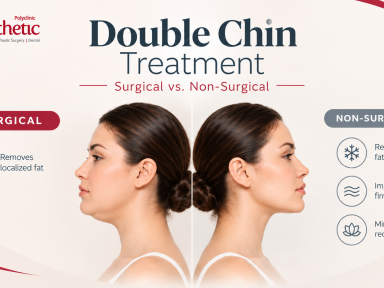
Skin rejuvenation may improve texture, pigmentation, fine lines, and overall quality, yet a face ages in more than its surface. Changes in fat compartments, ligament support and the underlying facial framework can contribute to laxity and contour changes that a skin-focused treatment is not designed to correct.
Choosing a facial rejuvenation treatment therefore starts with asking which layer is responsible for what you see. A softened jawline may call for a different clinical conversation, not necessarily surgery, while dullness and uneven tone may be entirely skin-led.
How to Avoid Skin Rejuvenation Mistakes
Most of these mistakes share a common factor: the decision is made before the skin has been properly understood. A few questions can change that:
- What exactly is the concern, and which layer is involved?
- Do my skin phototype and pigment history change the plan?
- How do previous treatments affect what is sensible now?
- What is the recovery, and does it suit my calendar?
- What aftercare applies, and which symptoms should be reported?
- When can results reasonably be judged?
Common Questions
What is the most common mistake patients make?
Choosing a treatment before the concern has been defined. If the mechanism does not match the actual problem, even a well-performed procedure can disappoint.
Can treatments cause pigmentation?
In some patients, yes. Inflammation can trigger post-inflammatory hyperpigmentation, and risk varies with phototype, pigment history, treatment parameters and recovery. Assessment can help anticipate it but not remove it.
How important is aftercare?
It can influence barrier recovery, irritation, comfort and how the treated area looks, and instructions must be specific to the procedure. Anything unexpected or concerning should be reported rather than waited out.
The decision that matters is not which procedure to choose, but what is actually changing and which plan fits your skin, your risk profile and your recovery. A consultation at AestheticsCC begins with that assessment, so the technology, the timing and the follow-up are chosen discreetly around the concern, not the trend.